Easy Steps to Replace Your Car Coolant Water Reservoir Tank
In case you are required to change your coolant water reservoir tank, don’t worry because the process is not difficult and can be done using basic tools and some automotive knowledge. Here is a guide in simple terms:
Safety first: Make sure that the engine is cool and the car is on a flat surface with its parking brake engaged.
Drain the coolant: Identify the drain valve or take off the lower radiator hose so that you can safely drain the coolant into an appropriate container for disposal or recycling.
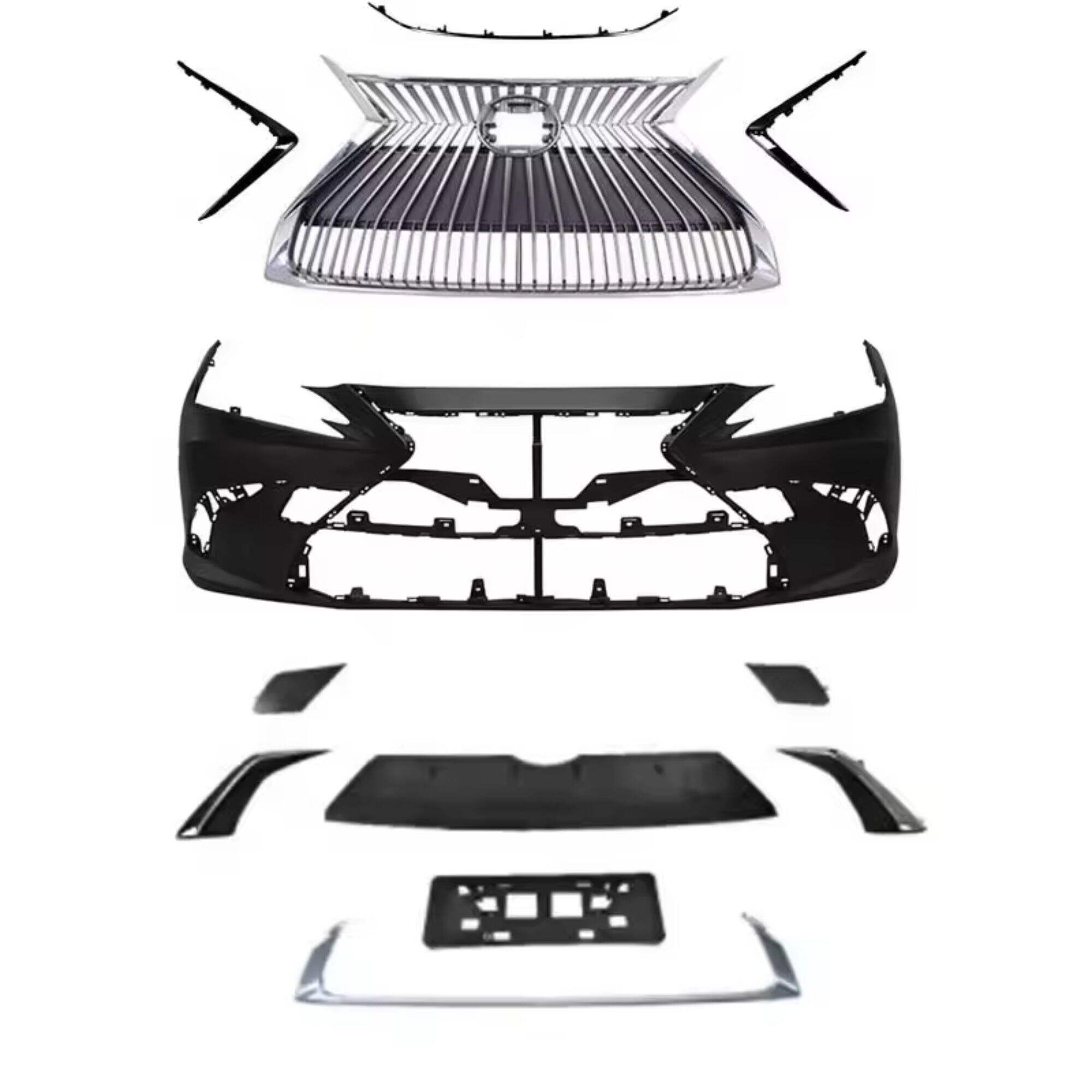
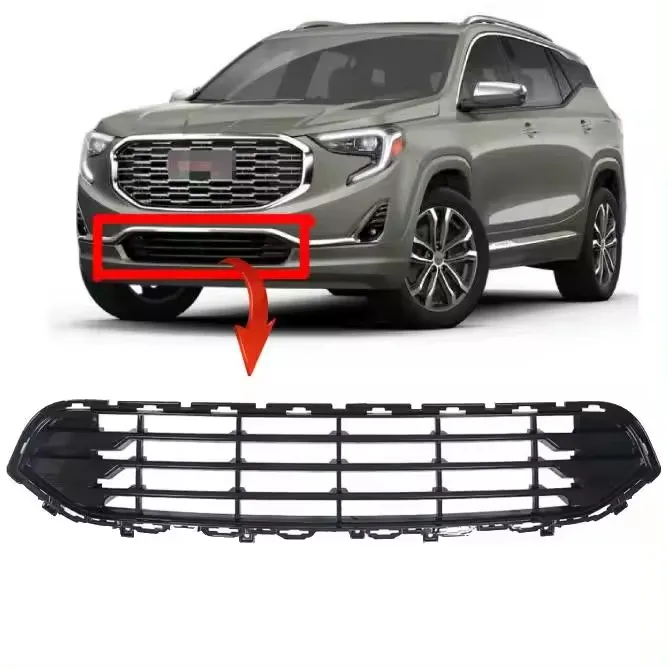
Remove old tank: Disconnect any hoses connected to this saivis front bumper lower; unscrew or un clip it from where it was mounted remembering any clips, screws, or brackets used for reassembly later.
Fit new tank: Place a fresh reservoir in position while fastening tightly using suitable hardware from previous one or provided with new one + reconnect hoses.
Refill with coolant — Fill up top part of system (new bottle) with recommended mix of antifreeze usually 50/50 ratio then let out air bubbles by running engine and occasionally adding more as needed.
Look For Any Leaks – At this point, while car is idling; visually inspect all connections for signs of leakage. If everything appears fine drive vehicle around block quickly checking again.
Remember if you have doubt about any step consult professional mechanic but selecting good quality and well maintained coolant water reservoir tanks can greatly contribute towards strong performance and longevity of your automobile hence making them worth every penny spent on their purchase.

 EN
EN
 AR
AR NL
NL FI
FI FR
FR DE
DE IT
IT JA
JA KO
KO PL
PL RU
RU ES
ES LT
LT UK
UK VI
VI HY
HY AZ
AZ KA
KA