A car cooling system relies on a good engine coolant radiator. Together, they maintain a good temperature to avoid over heating of the engine. The radiator is a component like any other and it can experience problems that need to be addressed. In this article we take a look at some of the most basic yet crucial parts of owning an engine coolant radiator...specifically: how to spot and fix your own leaky nsulator, list our top 5 recommended Engine Coolant Radiators out there today; why you should remember to do routine maintenance on flushing your Inline-Radiator-Assembly (should be every two years or so) ansymptoms that indicate deterioration in either nator:s AutomobileCooler Assembly and finally compare Aluminum TomePlastic gtors ineffordensiveness.
Besides leaks, there are several symptoms that you can keep an eye out for if your radiator has deteriorated including decreased engine performance, overheating issues or coolant leaks. Low levels of fluid is also a sign to look for and should one suspect that their vehicle's cooling system problems may have become severe then other checks include smelling metallic in the coolant or tasting it due to copper contamination along with finding rust/ corrosion in the radiator bed etc too which mean we now need go next level servicing as our aim always remains ensuring automobile safety at all cost whether people @1300 882 find themselves stranded because of being let down by maintenance services provided so make sure get regular appoint last minute before roadside assistance insurance plan runs dry! If you notice any of these signs, the best course is to have a professional mechanic diagnose and fix it for you.
An engine coolant radiator is a heat exchanger that dissipates the excess heat generated by your engine. As the engine runs, it generates a lot of heat, which can damage the metal parts and reduce its performance. The engine coolant absorbs the heat and flows through a series of tubes and fins in the radiator. The fins increase the surface area of the radiator, allowing more air to flow across them and dissipate the heat. The cooled coolant then goes back to the engine to absorb more heat.

However, several factors can affect the radiator's efficiency and cause it to malfunction. One common problem is clogging, where debris, dirt, or rust accumulate in the radiator and obstruct the flow of coolant. This can cause the engine to overheat, resulting in decreased power, unusual noises, and even engine damage. Another issue is leaks, where the radiator develops cracks, holes, or loose connections, leading to coolant loss and low performance. Additionally, the radiator's fins can get bent or damaged due to debris or accidents, reducing the airflow and cooling capacity.

To prevent these issues and ensure your engine's optimal performance, you should maintain your engine coolant radiator regularly. This includes checking the coolant level and quality, flushing the system periodically, inspecting the radiator for leaks, damage, or clogging, and cleaning the fins and surrounding area from dirt and debris. You should also follow the manufacturer's recommendations for coolant type, mixture, and replacement intervals, as using the wrong coolant or neglecting its maintenance can lead to costly repairs.

If you suspect that your engine coolant radiator is not functioning correctly, you should seek professional help from a qualified mechanic. They can diagnose the problem using specialized tools and equipment, such as pressure testers, infrared cameras, or thermal scanners. Depending on the issue's severity, they may suggest repairs or replacements, such as patching the leaks, replacing the fins or the entire radiator, or flushing the entire cooling system.
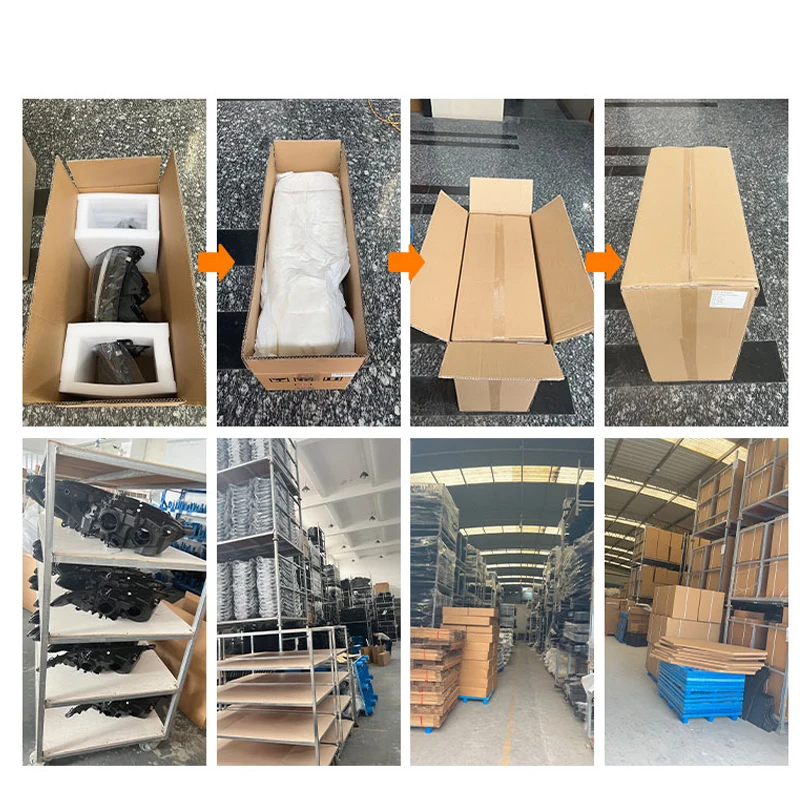
Integrity management, quick response, timely resolution of issues with customers, and satisfaction!To reduce loss customers must offer replacement or repair damaged Engine Coolant Radiator within specified time frame. products are regularly maintained and inspected, and customers are welcome to visit the factory as well as warehouse further enhance their understanding. are focused on long-term co-operative connections create long-term alliances with our clients. We do not just offer assistance during sale process of the products, but we also monitor the customer experience during entire period after sales. We provide customized solutions for service which are designed to the requirements of each customer which increases their adherence.
Large inventory, customers can place orders with complete peace mind. Ensuring continuous production and avoiding interruptions production the availability adequate inventory ensures that production line can continue run in the case supply chain disruptions which can cause production interruptions by component shortages and adjusting Engine Coolant Radiator in demand. Improve delivery times by reducing time delivery: A large inventory allows rapid delivery even when clients re a hurry improves satisfaction of customers. Enhancing service capabilities: In area of after-sales services, rapid repair and replacement parts is essential preserving image of brand. A vast inventory will help ensure this is achieved. Batch purchases: Huge quantities inventory allow sellers to purchase bulk quantities, usually at more favorable pricing, thus reducing the cost.
company has a ten-year existence and has a storage facility of 10000 square meters and 30 production lines. have more than 450 molds that are professional more than 200 employees as Engine Coolant Radiator inventory of over 100000. company doesn't just offer top-quality components as well as a more efficient way to meet the needs of the manufacturers and consumers. Direct suppliers generally have higher quality control standards, so able ensure that their products meet top quality standards. Physical factories produce welcome to visit factories that are owned by physical entities.
Select right raw materials carefully, undergo testing by layer, strict quality control, automobile industry, quality control parts is crucial. The process of quality control typically involves multiple steps. Firstly, need perform thorough quality check of the item to ensure that it meets relevant specifications and requirements. This includes testing the materials as well as monitoring of production process, a thorough inspection of the finished product. We Engine Coolant Radiator up a feedback program that involves regular quality audits regularly communicating with our clients, and periodic quality audits. It is also essential to continuously improve the quality control procedures.