
 EN
EN
 AR
AR NL
NL FI
FI FR
FR DE
DE IT
IT JA
JA KO
KO PL
PL RU
RU ES
ES LT
LT UK
UK VI
VI HY
HY AZ
AZ KA
KA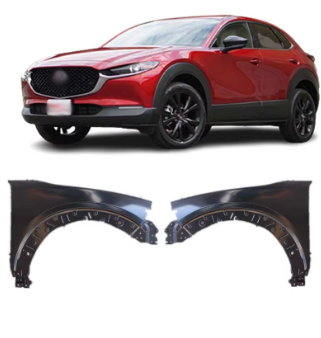
The Functional and Aesthetic Role of Front Fenders in Performance Vehicles
Understanding the functionality of car fenders in high-performance applications
The front fenders on performance cars act as important shields for the body and suspension parts against rocks, dirt, and water splashing up from the road. When building cars for racing tracks, designers really focus on how air moves around them. Studies show that making fenders about 18 percent wider helps cut down on front end lift because it pushes messy air away from those wheel areas where turbulence happens most. These days, manufacturers make fenders out of lighter stuff such as aluminum or even carbon fiber composites. This reduces what mechanics call 'unsprung weight' without sacrificing strength when going through tight corners at speed.
Balancing aesthetic enhancement with performance gains
When talking about custom fenders, they really bring together bold looks and actual usefulness. Those flared out sections that let people fit bigger tires usually come with built-in vents too. These vents help keep brakes from overheating or release built up pressure when needed. A recent look at what's happening in the aftermarket world shows something interesting. Around three quarters of customers actually care just as much about how these parts look as they do about real performance gains. Things like cutting down on drag or getting more space for tires matter a lot to them.
Wheel coverage and tire clearance: Engineering needs behind fender design
Performance fenders today tackle several key issues. First they need to handle those big 335mm wide tires without any rubbing when the suspension is fully compressed. Second, there's the matter of getting enough clearance for track setups with negative camber around -3 degrees, typically needing between 8 to 12 mm space. And third, these fenders must stand up to stone chips even at highway speeds past 160 mph. Carbon fiber versions cut down on weight by about 40% compared to steel counterparts. Tests show they hold up just as well against dents in FIA crash evaluations too. That makes carbon fiber a smart choice for endurance races where both parts need to last through many laps while still maintaining competitive speed.
Customization Strategies for Front Fender Widening
Fender flares vs. integrated widebody fenders: Pros and cons
Fender flares are basically an affordable option if someone wants to gain around an inch or two of extra space for their tires. Just bolt on some plastic or metal pieces and voila! But these aren't really ideal for regular track days since they tend to make annoying wind noises and look pretty ugly with all those visible screws sticking out. The integrated widebody fenders though? Those bad boys fit like factory installed parts and somehow manage to cut down air resistance quite a bit according to some tests done last year on race cars. Problem is getting them right takes serious work from skilled fabricators which means paying three times what most people expect to spend. Plus matching the color gets complicated fast when dealing with custom builds.
Bolt-on kits versus full-panel replacements for Front Fenders
When it comes to expanding vehicle width without permanent modifications, bolt-on fender kits are the way to go. These kits work great for people who lease cars or need something temporary for special projects. The premium grade polyurethane models can handle pretty serious speeds too, staying strong even at around 120 miles per hour on highways. For those looking for maximum performance, full panel replacements take things to another level. They feature specially designed shapes that actually cut down wind resistance, while the carbon fiber options make a noticeable difference in weight reduction, cutting anywhere from 8 to 14 pounds off each front fender. A recent look into composite materials by automotive engineers back in 2022 showed something interesting too. Their research found that when manufacturers use these fully cured replacement panels instead of just modifying existing ones, the car's overall stiffness improves by nearly 20 percent, which matters a lot for handling and safety.
Adjustable and modular fender systems for dynamic tuning
More and more race teams are now equipping their cars with adjustable track width systems that include telescoping fender arches and those handy quick release fasteners. These setups let racers change tire clearance by as much as 2.5 inches at a time, which makes all the difference when switching between different tire compounds or dealing with changing track conditions. The catch? Dyno tests have revealed something interesting about these adjustable systems they need alignment checks about 27 percent more often compared to traditional fixed setups. This happens because of those tiny movements that occur in the articulated joints over time during competition.
High-Performance Materials for Front Fenders
Comparing Steel, Aluminum, Fiberglass, and Carbon Fiber in Front Fenders
When it comes to front fender materials today, manufacturers have to find that sweet spot between how light something is, how strong it needs to be, and what it actually costs to produce. Steel has always been reliable stuff that doesn't break the bank when repairs are needed, but let's face it - those extra pounds just aren't great for cars built for speed. Aluminum cuts down on weight by around 40 to 50 percent compared with regular steel according to Technology Innovators in their 2023 report, and still keeps things pretty rigid. However, if the car takes a beating repeatedly over time, aluminum can start showing signs of wear much faster than people might expect. Fiberglass lets designers create all sorts of interesting shapes without spending too much money upfront, but honestly speaking, it just doesn't hold up as well against forces pulling at it like carbon fiber does. That's why top tier racing teams stick with carbon fiber almost exclusively these days. It knocks off about 60% of the weight compared to traditional steel fenders and provides this incredible stiffness that makes such a difference in how the car handles through corners and maintains stability at high speeds.
| Material | Weight | Strength | Cost | Best For |
|---|---|---|---|---|
| Steel | Heavy | High | Low | Budget durability |
| Aluminum | Moderate | Moderate-High | Medium | Balanced performance |
| Fiberglass | Light | Moderate | Medium-High | Custom shapes |
| Carbon Fiber | Ultra-Light | Extreme | High | Track/Competition builds |
Weight Reduction Benefits of Composite Materials in Performance Builds
Materials such as carbon fiber and high tech plastics are all about cutting weight without breaking anything important. Research from last year showed that when cars switch to carbon fiber front fenders, each corner loses around 12 to maybe even 18 pounds off the total weight. That makes a real difference for how much power the car has relative to its weight, plus it handles corners better too. The lighter rotating parts also mean faster acceleration and sharper brakes. For those who want something cheaper but still good, fiberglass composites work pretty well too. They take off about 8 or 9 pounds per fender and let designers shape them into all sorts of airfoil shapes that help with wind resistance.
Durability and Impact Resistance Under Extreme Driving Conditions
Materials used in high performance applications need to handle all sorts of abuse from track debris, temperature changes, and those intense sideways forces during turns. Take carbon fiber for instance it soaks up energy really well, absorbing about three times more impact force per pound compared to steel before it starts to bend according to Gauge Magazine from last year. Aluminum is another good option because it doesn't crack easily in small crashes thanks to how soft it is, but if something keeps hitting it over and over again, tiny cracks can form over time. Rally racers often mix things up with hybrid builds that pair kevlar reinforced fiberglass alongside aluminum frames. This gives them the best of both worlds light weight plus protection against wear and tear. Sure, steel parts are still popular because they're straightforward to fix when damaged, but anyone who races in rainy conditions knows that rust will eventually eat away at steel components, making them unreliable for long term use.
Aerodynamic Optimization Through Front Fender Modifications
How widened front fenders improve airflow and reduce drag
Widened front fenders streamline airflow around wheel arches, minimizing turbulence generated by standard-width wells. Wind tunnel testing shows optimized designs can reduce aerodynamic drag by 6–8% at highway speeds, enhancing fuel efficiency and high-speed stability. The extended curvature promotes attached airflow, delaying separation and suppressing drag-inducing vortices.
Vortex management and downforce generation through fender shaping
Engineered fender contours transform chaotic turbulence into controlled vortices. Using computational fluid dynamics (CFD), designers shape surfaces to direct rotational airflow downward, creating localized low-pressure zones. This method generates up to 15 lbs of front-end downforce at 60 mph without drag-increasing wings, according to 2023 simulations by automotive aerodynamics researchers.
Integration with splitters and canards for enhanced function and styling
| Component | Function | Performance Impact |
|---|---|---|
| Splitters | Redirect underbody airflow | +12–18% front downforce (SAE 2023) |
| Canards | Manage wheel-well turbulence | +8° front grip in hard corners |
When paired with splitters, widened fenders create a cohesive airflow path that improves brake cooling and preserves clean flow to rear diffusers. Integrated canards reduce side-force fluctuation by 22% during lane changes, resulting in more predictable handling near the vehicle’s limits.
Enhancing Grip, Stability, and Track Performance
Enabling Wider Tires for Improved Traction via Customized Front Fenders
Custom front fenders support tire widths increased by 15–30%, expanding the contact patch by 4–7 square inches (2024 Motorsport Dynamics Report). This allows vehicles to achieve 8–12% higher lateral G-forces in corners and reduces wheel spin under acceleration. Well-designed flares maintain OEM-grade sealing around wheel wells, preventing debris ingestion at speed.
Impact on Vehicle Stability and Handling During High-Speed Maneuvers
When car makers widen those fender profiles, they're actually helping improve how air flows around the vehicle. Computer models have found that these wider, vented fenders cut down on front end lift by somewhere between 18 to 22 percent once cars hit over 100 miles per hour. That means better stability when shifting weight during sudden turns or evasive actions. But there's a catch for the engineers working on these designs. Going past about two inches extra width on each side adds rotational mass to the wheels, and this extra weight can slow down how responsive the steering feels in real world driving conditions. Most shops will tell you this trade off needs careful consideration depending on what kind of performance characteristics the manufacturer wants to achieve.
Suspension Alignment Considerations After Fender Modification
After installing new parts, most alignments need about half a degree to maybe 1.5 degrees extra camber so tires can touch the road properly in those tighter spaces. For cars that spend time on tracks, mechanics usually set around 3 to 5 millimeters negative toe compared to factory specs. This helps keep the car responsive when turning but still stable going straight down the track. When folks skip these tweaks, they end up with early wear on tire shoulders, which is actually what causes most traction problems in modified cars according to some recent research from NHTSA back in 2023.
Balancing Track-Focused Widening With Street Usability
A lot of car enthusiasts are turning to removable fender flare kits because about half of them have problems with permanent widebody setups for regular street use according to the Aftermarket Parts Survey from last year. These street legal versions keep around 1.5 to 2 inches of ground clearance while still fitting those 285mm section tires, which makes sense if someone wants their ride to handle well on tracks but still work okay in city traffic. The rubber edges on these flares help protect the body when tires flex during turns or rough roads, and they don't mess with the drag reduction benefits that come from having everything properly integrated into the design. Most people find this setup works pretty well for daily drivers that occasionally see some track time too.
FAQ
What materials are commonly used for performance fenders?
Steel, aluminum, fiberglass, and carbon fiber are commonly used materials for performance fenders, each offering different advantages in terms of weight, strength, and cost.
How do fender modifications impact vehicle performance?
Fender modifications can improve weight distribution, aerodynamics, and tire clearance, significantly enhancing grip, stability, and handling, especially during high-speed maneuvers.
What are the pros and cons of using fender flares versus integrated widebody fenders?
Fender flares provide affordable extra space and can be easily installed or removed, while integrated widebody fenders offer better performance and aesthetics but require professional installation and customization.
Table of Contents
- The Functional and Aesthetic Role of Front Fenders in Performance Vehicles
- Customization Strategies for Front Fender Widening
- High-Performance Materials for Front Fenders
- Comparing Steel, Aluminum, Fiberglass, and Carbon Fiber in Front Fenders
- Weight Reduction Benefits of Composite Materials in Performance Builds
- Durability and Impact Resistance Under Extreme Driving Conditions
- Aerodynamic Optimization Through Front Fender Modifications
- Enhancing Grip, Stability, and Track Performance
- FAQ