
 EN
EN
 AR
AR NL
NL FI
FI FR
FR DE
DE IT
IT JA
JA KO
KO PL
PL RU
RU ES
ES LT
LT UK
UK VI
VI HY
HY AZ
AZ KA
KA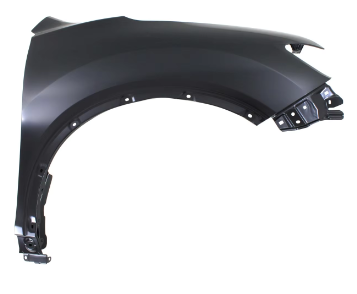
Front Fenders as a Functional Component: Protection and Durability
Shielding the Vehicle from Road Debris and Environmental Damage
The front fenders on vehicles serve basically as shields against all sorts of road stuff that gets thrown around while driving. They push aside rocks, pebbles, and water splashing up from the road surface before it can get into places where it doesn't belong like around the wheels or under the hood. Most contemporary models these days are made either out of tough plastic composites that resist impacts or aluminum that won't rust easily. These materials hold up pretty well when cars hit highway speeds and encounter flying debris, which helps keep paint jobs looking good for longer periods. The way they're shaped also matters quite a bit. The curves direct air flow in ways that cut down on mud buildup, something drivers appreciate after stormy weather. Plus, proper shaping makes sure tires have enough space when taking sharp turns without scraping against anything.
Enhancing Long-Term Vehicle Durability Across Driving Conditions
Advanced fender systems do more than just protect against impacts they actually help vehicles last much longer. The new hydrophobic liners inside these systems keep water from sitting around so much, which cuts down on rust problems by about 40% when compared with old fashioned steel fenders according to Automobile Materials Journal from last year. What makes these fenders really special is their multi layer design that bends instead of breaks when exposed to temperature extremes ranging all the way from minus 30 degrees Fahrenheit up to 120 degrees Fahrenheit without warping after years of exposure. When installed properly next to quarter panels, they create barriers that stop sand and silt from getting trapped between parts something drivers will appreciate especially if they frequently drive off road. For those living in hot sunny areas where UV damage happens almost three times quicker than normal climate zones, manufacturers have added stabilized plastics that hold up better under constant sunlight while maintaining good looks too. All these improvements work together to maintain overall vehicle quality through at least ten years of regular driving conditions, making cars worth more money when it comes time to sell them later on.
Aerodynamic Impact of Front Fenders on Vehicle Efficiency
Reducing Drag Coefficients Through Optimized Fender Contouring
Front fenders play a pivotal role in managing airflow around wheel wells, where turbulence typically contributes 25–30% of total aerodynamic drag (Crowned Cotton Design 2024). Precision-engineered contours guide air smoothly past tires, reducing drag coefficients by up to 10% compared to flat profiles. Wind tunnel tests confirm flared fender designs can cut air resistance by 15% at highway speeds, underscoring the importance of precisely engineered fender shapes in improving overall efficiency.
Improving Fuel Efficiency with Strategic Airflow Management
Even small reductions in drag yield measurable fuel savings: a 0.03 decrease in drag coefficient translates to 1.5–2% better fuel economy. Optimized fenders work in tandem with side skirts and undertrays to streamline airflow and suppress vortices. Vehicles equipped with active fender vents—adjusting airflow based on speed—demonstrate 5–7% gains in EPA test cycles over static designs, highlighting how dynamic systems enhance real-world performance.
Wind Tunnel Insights: Performance Gains from Aerodynamic Fender Design
Automakers dedicate 20–30% of wind tunnel testing time to fender refinement due to their outsized influence on aerodynamic efficiency. Computational fluid dynamics (CFD) reveals tapered fender edges reduce rear wake turbulence by 40%, while integrated wheel arch channels lower localized pressure by 18%. These improvements enable next-generation electric vehicles to achieve 6–8% greater range through fender-specific optimizations alone.
Materials and Engineering Advancements in Front Fender Construction
Comparative Analysis: Steel, Aluminum, Plastic, and Composite Materials
Material selection balances weight, strength, and environmental resilience. Steel remains common in heavy-duty applications thanks to its 350–500 MPa yield strength (Global Automotive Materials Report 2024), but aluminum alloys offer 40–60% weight reduction. Polypropylene-based plastics provide excellent corrosion resistance but lack rigidity. Advanced composites such as carbon fiber-reinforced polymers (CFRP) deliver a 4:1 improvement in strength-to-weight ratio over aluminum, according to recent material performance studies, making them ideal for high-performance and premium models.
Lightweighting Benefits of Aluminum and Composite Fenders
Aluminum fenders contribute to 7–12% improvements in fuel efficiency, per EPA testing protocols. In electric vehicles, composite solutions amplify these benefits—CFRP fenders on select 2023 models reduced unsprung mass by 18 kg per axle without compromising safety, maintaining 5-star NHTSA crash ratings. This weight reduction extends battery range, illustrating how material choices affect broader vehicle performance metrics.
Innovations in Material Technology for Enhanced Performance and Sustainability
Emerging technologies include self-healing polymer coatings that repair minor scratches at the molecular level, validated through 15-year accelerated weathering tests. Recycled carbon fiber composites made from 70% post-industrial waste meet OEM structural standards while cutting cradle-to-grave emissions by 63% (SAE Journal 2024). Additionally, 3D-printed fender prototypes using gradient aluminum alloys feature variable thicknesses (0.8mm to 2.5mm), enabling precise optimization for aerodynamics and pedestrian safety compliance.
Styling Influence and Brand Identity Through Front Fender Design
Defining Vehicle Character: Aggressive Flares vs. Streamlined OEM Profiles
The front fenders on cars really define how they look to most people, serving as those eye-catching design elements that stand out. When manufacturers go for flared fenders, it usually signals something about power and capability, plus they need the extra space for bigger wheels. On the flip side, those standard factory fenders tend to be more streamlined, helping with wind resistance and keeping the car looking like whatever brand it belongs to. Studies have shown that appearance matters a lot when buyers are shopping for cars, maybe around 60% according to some research I came across. That makes sense why fender designs can make all the difference between just getting someone from point A to B versus selling them on driving something that feels special.
Fenders as a Canvas for Customization and Aftermarket Expression
Fenders have become a go-to upgrade for folks looking to give their vehicles some personality without breaking the bank. Widebody kits bolt right on to those little hatchbacks and sedans, making them look like something straight out of a racing movie. Some enthusiasts even get creative with 3D printed vents that stick out just enough to catch attention at car shows. The numbers back this up too - according to SEMA's latest report from 2023, people spent around $4.2 billion last year customizing their rides, and nearly 18% of all exterior changes involved fenders in some way. Manufacturers are catching on too. Take Toyota's TRD Pro fender flares for instance. These factory approved parts offer the same rugged look as the street legal monster trucks but come with all the warranty coverage and quality assurance that comes from being officially endorsed by the automaker.
The Role of Front Fenders in Modern Automotive Design Trends and Branding
Modern fender designs bring together looks, practicality, and tech elements all at once. We see LED lighting running along the edges where fenders meet the body, while advanced driver assistance sensors hide behind tough polymer covers these days. The design language is definitely changing. With electric cars getting rid of those big front grilles, fenders now serve as main spots for brand identity. Manufacturers are putting embossed company marks, intricate surface patterns, and eco-friendly stuff into their designs. Using recycled composite materials actually cuts down on weight compared to regular steel something like 22 percent according to a study from Automotive Materials Journal back in 2023. This means carmakers can look good while doing some real good for the planet too.
Integration of Safety and Technology in Modern Front Fender Systems
Enabling ADAS Functionality Through Sensor-Friendly Fender Integration
Front fenders on today's vehicles have become much more than just body parts they're actually key spots for Advanced Driver-Assistance Systems (ADAS) tech. Manufacturers are putting radar units, LiDAR sensors, and cameras right into the fender itself so these systems can gather clean data without obstructions for things like crash warnings and lane departure alerts. The 2024 Automotive Safety Report shows that when sensors are built into the fenders instead of mounted separately, drivers get 32% fewer false alarms. Car makers achieve this by using special lightweight materials that let signals pass through them but still hold up under road conditions. These composite materials strike a good balance between keeping those precious ADAS signals clear and strong while not compromising the fender's basic job of protecting the car.
Balancing Aesthetics and Safety in High-Tech Fender Assemblies
Modern car designs are combining good looks with better safety features these days. The latest materials mix reinforced polymers with aluminum underneath, making them 27 percent better at absorbing impacts when someone walks into them according to those NHTSA guidelines from last year. These cars also have smart fender vents that pop open when going fast to keep the brakes cool, then close back up to cut wind resistance. Pretty clever stuff really. And there are these tiny textures on the surface made using 3D printing technology. They not only push water away from the road but also create interesting patterns as light hits different parts of the surface. So basically, fenders nowadays aren't just for covering up wheels anymore they actually serve multiple purposes now.
FAQ
What materials are commonly used for front fenders?
Common materials for front fenders include steel, aluminum alloys, and advanced composites like carbon fiber-reinforced polymers (CFRP). Each offers different advantages related to weight, strength, and environmental resilience.
How do front fenders impact a vehicle's aerodynamics?
Front fenders play a crucial role in reducing aerodynamic drag by optimizing airflow around the wheel wells. Their design can decrease drag coefficients and improve fuel efficiency.
Can front fenders be customized for personal style?
Yes, front fenders can be customized with aftermarket parts like widebody kits and 3D printed vents. Customization allows for personalization of the vehicle's appearance.
How do front fenders integrate with modern automotive technology?
Front fenders now incorporate technology like ADAS (Advanced Driver-Assistance Systems) components such as radar and camera sensors to enhance driver safety and data collection.
Table of Contents
- Front Fenders as a Functional Component: Protection and Durability
- Aerodynamic Impact of Front Fenders on Vehicle Efficiency
- Materials and Engineering Advancements in Front Fender Construction
- Styling Influence and Brand Identity Through Front Fender Design
- Integration of Safety and Technology in Modern Front Fender Systems
- FAQ